Common Types of Flagstone Used for Patios and Walkways
People seeking flagstone installation often want durable, attractive materials for patios and walkways, and local contractors can help select and expertly install common types of flagstone used for these projects.
If you’re considering upgrading your outdoor space with a patio or walkway, understanding the common types of flagstone used for these features can be a helpful first step. Property owners in the area often explore different flagstone options to achieve a natural, durable, and visually appealing landscape. Whether aiming for a rustic charm or a sleek, modern look, knowing the characteristics of various flagstone materials can guide decisions that enhance both the beauty and functionality of outdoor areas. As you read on, you'll discover how local contractors experienced in flagstone installation can assist in selecting the right type to meet your aesthetic preferences and practical needs.
Choosing the appropriate flagstone for patios and walkways involves considering factors like color, texture, and durability. Different types of flagstone-such as sandstone, limestone, or slate-offer distinct advantages and visual styles, making it important to match the material with your property’s design and climate conditions. Property owners often seek expert installation services to ensure proper placement and long-lasting results. Connecting with local service providers can help bring your vision to life, ensuring the chosen flagstone not only looks great but also withstands the demands of outdoor use for years to come.
- Sandstone flagstone - homeowners seeking a natural, warm appearance for patios and walkways often turn to sandstone, with local contractors skilled in proper installation techniques to enhance durability.
- Limestone flagstone - those wanting a softer, elegant look for outdoor spaces can rely on service providers experienced in handling limestone’s unique properties during installation.
- Slate flagstone - individuals desiring a textured, slip-resistant surface for walkways and patios may work with local pros familiar with slate’s layering and aesthetic qualities.
- Travertine flagstone - clients aiming for a classic, porous stone for outdoor flooring often choose service providers adept at managing travertine’s specific installation needs.
- Quartzite flagstone - property owners interested in a dense, durable flagstone option for high-traffic areas can find local contractors experienced in working with quartzite’s challenging characteristics.
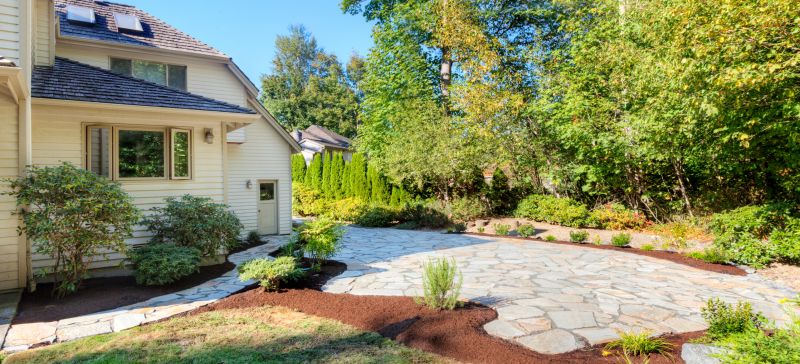
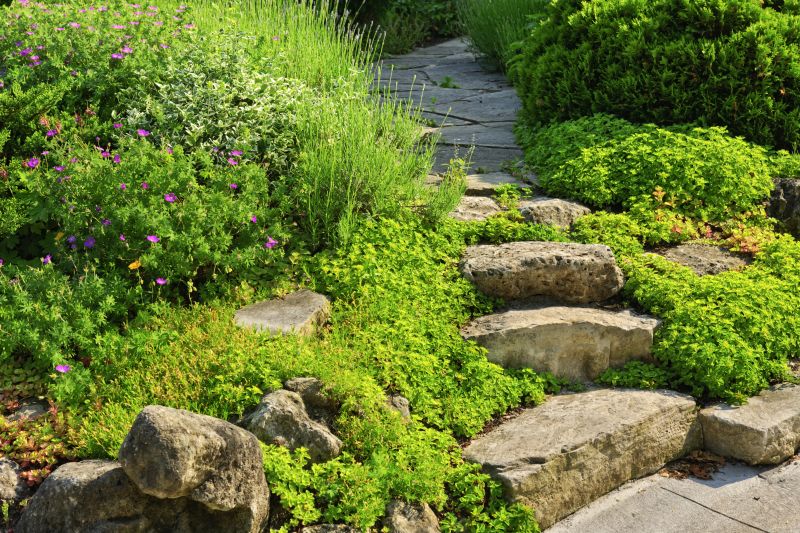
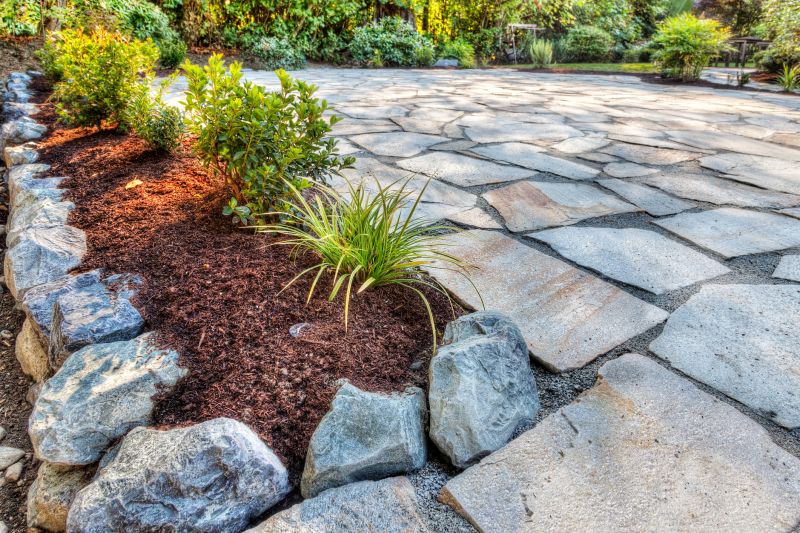
When homeowners search for information about common types of flagstone used for patios and walkways, they often want to understand the options available to create durable, attractive outdoor surfaces. Many are planning new installations or considering upgrades to existing outdoor spaces, seeking materials that will stand up to foot traffic and weather conditions while providing a natural aesthetic. This topic is closely related to projects aimed at enhancing curb appeal, adding functional outdoor living areas, or creating seamless pathways that complement a property's landscape. Property owners may also be exploring different styles to match their home's architecture or personal taste, making it important to find the right type of flagstone that aligns with their vision.
Understanding the common types of flagstone used for patios and walkways helps homeowners make informed decisions about materials that suit their specific project needs. For example, some might prefer flagstone with a smooth surface for easier walking, while others may opt for a more textured stone to prevent slipping. Different stones also vary in color, pattern, and weight, which can influence installation methods and maintenance requirements. Homeowners often encounter questions about how each type performs outdoors, how it weathers over time, and which options are best for their local climate. Connecting with experienced service providers can help clarify these considerations and ensure the chosen material fits the intended use and aesthetic goals.
The types of properties that typically feature flagstone patios and walkways range from residential homes to small commercial spaces. Many homeowners with gardens, courtyards, or backyard entertainment areas look to flagstone for its natural look and versatility. Larger properties, such as estates or properties with extensive landscaping, may incorporate flagstone pathways to create a cohesive, inviting outdoor environment. Urban properties with limited yard space often use flagstone to maximize visual appeal in small areas, while rural or semi-rural properties may emphasize natural materials to blend with the surrounding landscape. Local contractors experienced in flagstone installation understand how to adapt these materials to different property types, ensuring a durable and attractive result.
Choosing the right type of flagstone involves considering not only the visual style but also the practical aspects of installation and ongoing use. Service providers who specialize in flagstone installation can assess the specific needs of each property, including soil conditions, climate, and foot traffic. They can recommend the best types of flagstone-such as sandstone, limestone, or slate-based on these factors, helping property owners achieve a long-lasting, visually appealing outdoor surface. Whether the goal is to create a natural-looking patio for family gatherings or a winding walkway through a garden, connecting with local experts ensures the project is completed with materials suited to the property's unique conditions and the homeowner’s preferences.
Concrete paving projects - local contractors skilled in creating durable surfaces often work with similar planning and tools used for flagstone patios and walkways.
Stone veneer installation - this type of project involves working with natural stone materials, sharing techniques and tools common to flagstone placement and setting.
Garden pathway construction - designing and installing garden paths requires similar site preparation and stone handling skills as flagstone walkway projects.
Retaining wall building - many of the skills involved in selecting and placing natural stone are applicable to constructing retaining walls with flagstone or similar materials.
Paver patio installation - installing pavers shares planning, leveling, and placement techniques with flagstone patio projects, often handled by the same local service providers.
Natural stone steps creation - crafting stone steps involves similar cutting, setting, and leveling skills used in flagstone walkway and patio installations.
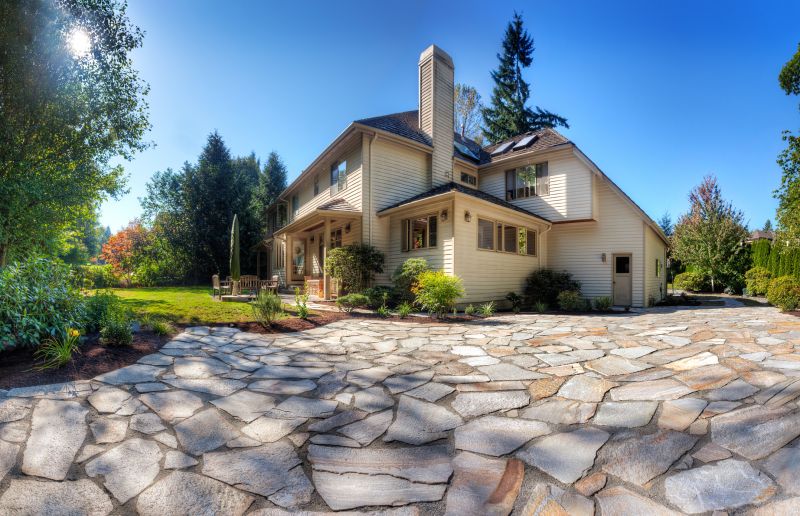
When evaluating service providers for flagstone installation, it is important to consider their experience with similar projects involving common types of flagstone used for patios and walkways. Contractors who have successfully completed comparable installations are more likely to understand the nuances of different flagstone materials, such as sandstone, limestone, or slate, and how each responds to local climate conditions and usage. Asking about their previous work on projects similar in scope and material can provide insight into their familiarity with the specific challenges and best practices associated with flagstone installations.
Clear, written expectations are essential when comparing local contractors for flagstone services. A reputable service provider should be able to outline their approach, including preparation, installation methods, and finishing details, in a way that aligns with the homeowner’s vision. This documentation helps ensure that both parties share a common understanding of the project scope and quality standards, reducing the potential for misunderstandings or surprises during the process. It also demonstrates the contractor’s professionalism and commitment to transparency.
Good communication and reputable references are key indicators of a reliable contractor. Homeowners should seek service providers who are responsive to questions, provide detailed explanations, and are willing to discuss options for different types of flagstone. Additionally, requesting references from previous clients who had similar projects can help gauge the contractor’s workmanship, reliability, and ability to meet expectations. Engaging with contractors who prioritize clear communication and have positive references can lead to a smoother installation process and a finished product that meets the homeowner’s needs.
Property owners often search for common types of flagstone used for patios and walkways when they are planning practical projects around their homes and businesses. Local pros provide Flagstone Installation services for everyday jobs and straightforward project options.
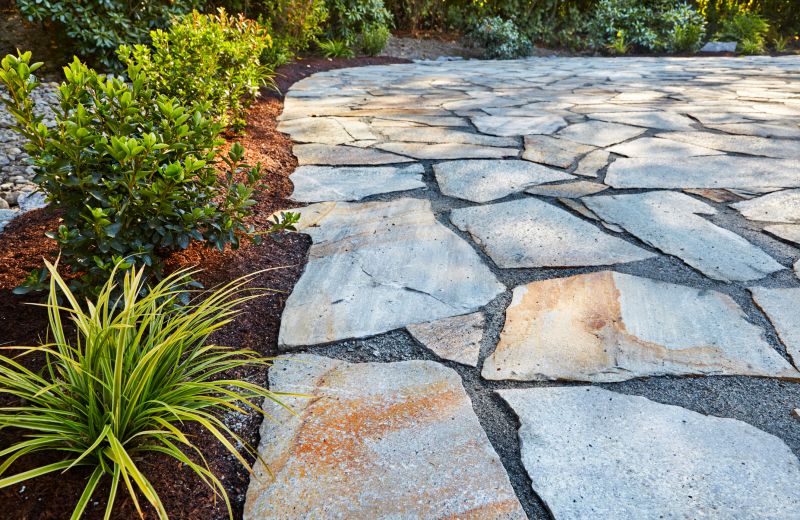
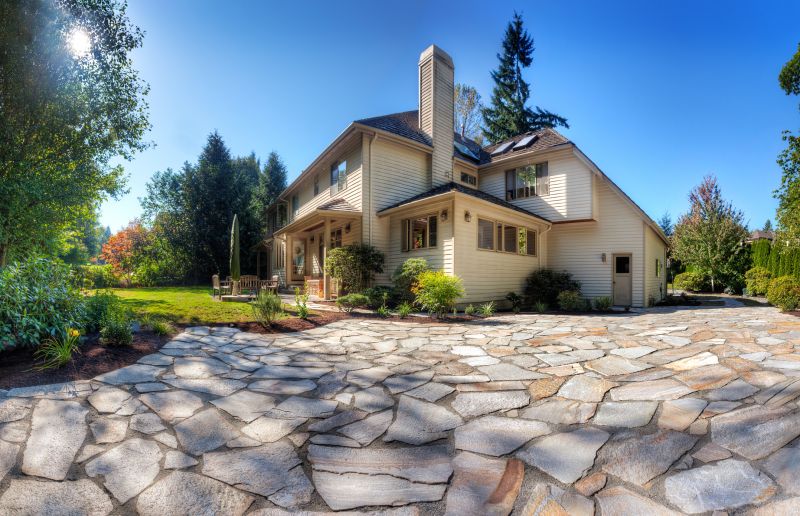
Property owners considering flagstone for patios and walkways often look into the common types available to ensure the chosen material complements their outdoor space. Different types of flagstone, such as sandstone, limestone, and slate, each offer unique colors, textures, and durability levels, making it easier to select a style that matches the property's aesthetic and functional needs. Understanding these options can help homeowners make informed decisions about their project and what to expect from installation services provided by local contractors experienced in working with various flagstone materials.
When planning a flagstone installation, many property owners seek guidance from local service providers who specialize in outdoor hardscaping. These professionals can help determine which type of flagstone best suits the climate, foot traffic, and overall design goals of the space. Connecting with experienced local contractors ensures that the chosen flagstone is properly installed, enhancing the longevity and appearance of the patio or walkway. This approach allows property owners to benefit from expert knowledge and craftsmanship tailored to their specific project needs.
What are the most common types of flagstone used for patios and walkways? The most common types include sandstone, limestone, slate, and quartzite, each offering unique colors and textures. Local contractors can help select the best option based on the desired look and durability.
How does sandstone compare to other flagstone options for outdoor surfaces? Sandstone is valued for its natural appearance and ease of installation, but it may be softer than options like slate or quartzite. Service providers can advise on the best type based on climate and usage.
Are there specific types of flagstone that are more suitable for high-traffic areas? Yes, harder stones like quartzite and slate tend to withstand heavy foot traffic better. Local installation experts can recommend the most durable options for walkways and patios.
What factors influence the choice of flagstone type for a project? Factors include climate, aesthetic preferences, budget, and the intended use of the space. Local pros can assist in choosing the right type to ensure long-lasting results.
Can different types of flagstone be combined in a single patio or walkway? Yes, combining various flagstone types can create a unique look, and local contractors can help design a cohesive and attractive layout.
Natural flagstone options - Property owners can choose natural flagstone to create a timeless look for patios and walkways, with local contractors helping select the best types for durability and style.
Sandstone flagstone benefits - Sandstone is a popular choice for its slip resistance and warm appearance, making it ideal for walkways and outdoor seating areas with the help of experienced installation services.
Limestone flagstone applications - Limestone can be used to craft elegant patio spaces or garden paths, with local service providers ensuring proper installation to enhance the natural stone’s aesthetic appeal.
Bluestone flagstone uses - Bluestone offers a rich color palette and strong performance, suitable for creating distinctive walkways and patios through skilled installation by local contractors.
If you are thinking about common types of flagstone used for patios and walkways for a property, this guide is meant to help you understand this topic, the typical project types, and how different options might fit your plans.
When you are ready, you can use the quote form on this page to share a few details about your project. From there, local pros can review the basics and follow up with options that match what you have in mind.